
Artificial plants in Jakarta have moved well beyond the dusty plastic fern in the corner. In restaurants, cafes and offices, a well-planned artificial plant installation can soften a hard interior, divide a dining room and hold up to air conditioning, low light and long opening hours without wilting.
This guide is written for owners, interior designers and contractors planning a fit-out. It covers where artificial greenery works best, which installation types suit which spaces, how to keep it looking good, and how to brief a florist so the result looks intentional rather than an afterthought.
Why Artificial Plants Make Sense for Jakarta Interiors
Live plants are lovely, but commercial interiors in Jakarta are tough places for them. Most restaurants and offices run air conditioning all day, which dries the air, while many dining rooms are deliberately dim. Few indoor plants photosynthesise well in that kind of light, so they slowly stretch, yellow and drop leaves. Add pests that thrive in tropical buildings, staff who are busy with other jobs, and spots that are simply hard to reach, such as ceilings or high shelves, and live greenery becomes a recurring cost.
Artificial plants solve the practical side:
- No light or watering requirements. They can go in windowless corridors, basements and dark bar areas.
- A consistent look. The space looks the same on opening day and six months later, which matters for brand photos and social media.
- No soil, standing water or insects. Useful near food preparation and open kitchens.
- Freedom of placement. Ceilings, wall shelves and dividers can all be planted without irrigation or drainage.
The trade-off is that artificial greenery does not clean the air or change with the seasons, and cheap stems look cheap. Quality and design are what make the difference.

Popular Artificial Plant Installation Types
Most commercial projects combine two or three of the following. Choosing them early, ideally at the layout stage, avoids last-minute compromises.
Planter dividers
Long planter boxes filled with dense greenery separate dining zones, screen a service corridor or define meeting areas in an open-plan office. They give privacy without walls, and they can be moved if the layout changes.
Ceiling installations
Hanging wisteria, trailing vines or foliage clouds turn an ordinary ceiling into the feature of the room. They are popular for restaurants that want a signature photo spot. Ceilings need proper fixing points, so involve the contractor before the ceiling is closed up.
Mini planters on bars, shelves and walls
Small potted plants and bonsai-style pieces on wall shelves, bar counters and open-kitchen racks add texture at eye level. They work well in compact cafes where there is no floor space to spare.
Statement floor plants
Tall pieces such as banana-leaf planters or palms fill empty corners and draw the eye across a room. One or two large plants usually look better than many small ones scattered around.

Artificial vs Live Plants for Commercial Spaces
Neither option is right for every corner. Many of the best interiors mix both: live plants where there is good natural light and someone to care for them, artificial pieces everywhere else.
| Factor | Artificial plants | Live plants |
|---|---|---|
| Light needed | None | Moderate to bright, depending on species |
| Ongoing care | Regular dusting | Watering, feeding, pruning, pest control |
| Placement | Ceilings, shelves, dark corners | Near windows or under grow lights |
| Appearance over time | Stable; may fade in direct sun | Changes; can thrive or decline |
| Air and humidity | No effect | Small effect, adds a living feel |
Planning an Artificial Plant Installation in Jakarta
For contractors and designers, the smoothest projects follow a simple sequence:
- Share drawings and photos. Floor plans, ceiling plans and photos of the current site help the florist judge scale. Mark where greenery should go and what it needs to achieve, such as screening, softening or a feature wall.
- Agree on a style. Tropical and lush, Japanese and minimal, or romantic with flowering vines? A short mood board saves several rounds of revisions.
- Check fixings and access. Ceiling pieces need secure anchor points, and dividers need to work with seating and walkways. Coordinate with the ceiling and joinery teams early.
- Ask about materials. If your building management or insurer has requirements for fire-retardant decorative materials, raise them at the start so the right stems can be sourced.
- Schedule installation around the fit-out. Greenery usually goes in near the end, after painting and cleaning, so it is not covered in construction dust.

Florist Tips: Making Artificial Greenery Look Real
- Mix leaf shapes and greens. Real gardens are never one shade of green. Combining two or three foliage types with different textures immediately looks more natural.
- Vary heights. Layer low, medium and tall pieces instead of lining up identical plants.
- Hide the mechanics. Cover foam and stems with moss, pebbles or a top layer of foliage, and choose planters that suit the interior.
- Keep it out of harsh sun. UV light fades many artificial leaves. For terraces or window displays, ask for UV-resistant stems.
- Dust on a schedule. A soft brush or a hair dryer on the cool setting once every week or two keeps leaves from looking grey. Wipe larger leaves with a slightly damp cloth.
- Add fresh flowers where it counts. A fresh arrangement at reception or on the host stand adds scent and life. Our table arrangements work well for this.
Planning a restaurant or office fit-out? — Send us your drawings or site photos and we will talk through greenery options for your space.
Discuss Your Project on WhatsApp →
Want to see past work first? Browse our interior projects or send a custom order request.
FAQ: Artificial Plants in Jakarta
Do artificial plants work in restaurants with open kitchens?
Yes, and they are often a better choice than live plants there because they need no soil or water. Place them where they will not collect grease, and clean them more often than pieces in dining areas.
Can you install artificial plants on a ceiling?
Yes. Ceiling installations such as hanging wisteria or vines are a popular feature in Jakarta restaurants. They need secure fixing points, so it is best to plan them with your contractor before the ceiling is finished.
Does Yulika Florist also handle events?
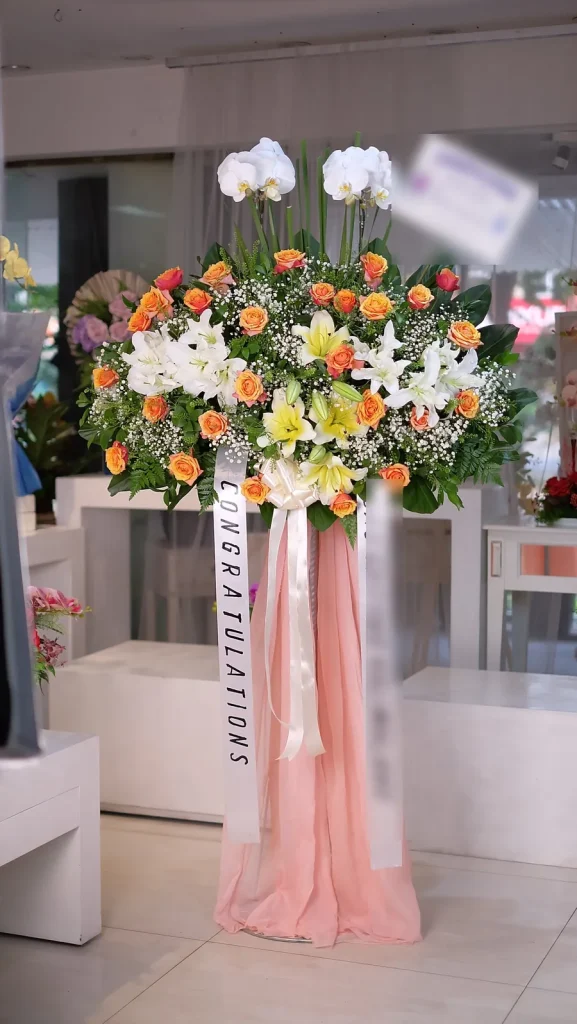
Yes. Besides artificial plant installations for restaurants and offices, we decorate weddings, sangjit and engagements, and deliver fresh flowers across Jakarta, parts of Bekasi and PIK 2. Fresh standing flowers are a popular addition for opening day.
Read also: Wedding Flower Decoration in Jakarta: Styles and Planning Tips · How to Keep Flowers Fresh in a Hot, Humid Climate